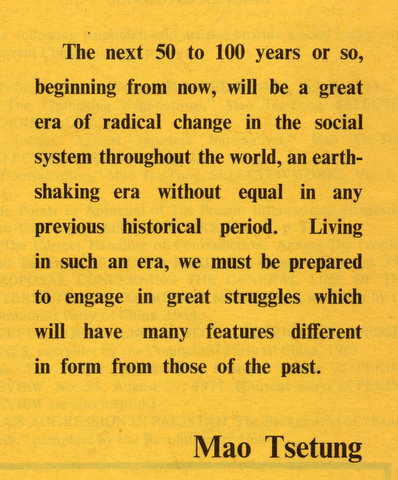
The third wave of U.S. anti-revisionism can best be described as a transition period – between the first and second waves, which were born from struggles inside the CPUSA, and the fourth wave, which developed out of the increasing radicalization of the mass struggles of the turbulent 1960s. While some of the anti-revisionist groups of the third wave – such as Progressive Labor and Hammer & Steel – did come directly out of the CPUSA, others, such as the Communist Party, USA (Marxist-Leninist) were independent formations, without direct roots in the CPUSA – influenced instead primarily by ’60s radicalism and the Chinese Cultural Revolution.
The Chinese Revolution has always played an important role in U.S. anti-revisionism. The anti-revisionist groups of the late 1940s frequently referred to the Chinese experience, and, in the late 1950s, supporters of the Provisional Organizing Committee (POC) quoted Mao in their critique of CPUSA policies. But it was the appearance of open polemics between the Communist Parties of the Soviet Union and China in the early 1960s, which gave a tremendous boost to anti-revisionism internationally, including in the United States. The Chinese polemics against Soviet “modern revisionism” inspired many to question what had been, up-to-then, orthodox Communist positions on many subjects and provided the anti-revisionist movement with an international center and point of reference.
The Great Proletarian Cultural Revolution and the proclamation of Maoism as a distinct version of Marxism-Leninism further stimulated and inspired many if not all prior anti-revisionists and others looking for a different kind of communism from the model represented by the Soviet Union and Eastern Europe. This was particularly true of students and other young people, who looked to the Chinese Red Guards as a model of activism. While some of these young activists were drawn to Progressive Labor, the full flowering of American Maoism would not come until the proliferation of new groups and organizations after 1969, in the fourth wave of U. S. anti-revisionism.
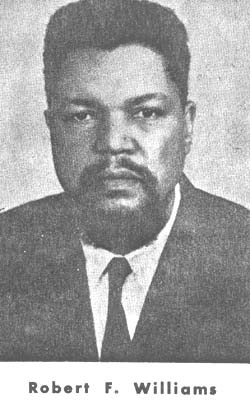
Family Tree Chart of U.S. Anti-Revisionism, 1956-1977 by the Communist Workers Group (Marxist-Leninist)
Turn to the Working Class: The New Left, Black Liberation, and the U.S. Labor Movement (1967-1981) by Kieran Walsh Taylor
Black Like Mao: Red China and Black Revolution by Robin D.G. Kelley and Betsy Esch
Transnational Correspondence: Robert F. Williams, Detroit, and the Bandung Era by Bill V. Mullen
A New Reality is Better Than a New Movie! Committed Documentary and Class Struggle at the End of the American New Left by Zachary Williams
Mao in the Mines: An Anti-Systemic View of New Communist Movement Activity in the Appalachian Coalfields, 1962-1978 by Judson Abraham
Tirana Builds an Internationale Part One: The Struggle Against Modern Revisionism; Part Two: The Albanian Intervention; Part Three: Rally for Enver; Part Four: After Enver by woodsmokeblog
Robert F. Williams’ The Crusader Newsletter
Interview on the Cultural Revolution with Chris Milton, a Participant
Serve The People [Classwar comix]
A Comment on the Statement of the CPUSA
People of the World, Unite and Defeat the U.S. Agressors and All Their Lackeys by Mao Tse Tung
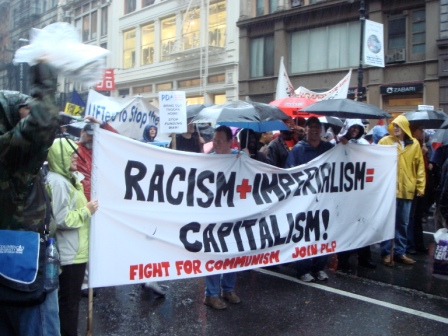
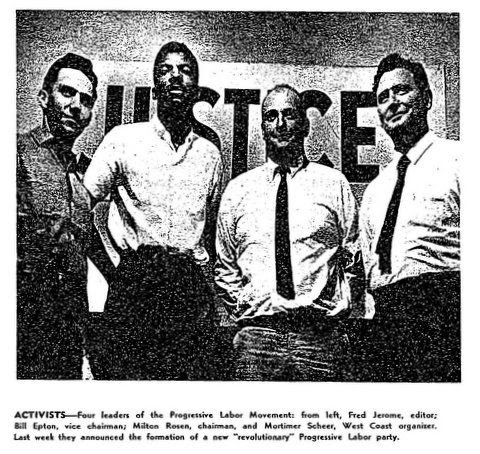
The Progressive Labor Movement (PLM) was launched in July 1962 in New York by some fifty former members of the CPUSA, who left the Party after a series of disputes on a variety of theoretical and political issues. Elected to leadership at the conference were Milt Rosen and Mort Scheer, as Chairman and Vice Chairman of National Coordinating Committee. Rosen had previously been a member of the NY State Committee of the CPUSA and its Labor Secretary. Scheer had also been a member of the State Committee and Chair of the Erie County Organization of the CPUSA. Early on, the founders of PL sympathized with China in the Sino-Soviet Split. The PLM was also active in the movement in solidarity with the Cuban Revolution, arranging trips to Cuba in defiance of State Department policy. PL did important organizing in Harlem through the work of Bill Epton and others. The PLM was also one of the earliest organizations to mobilize against the Vietnam War through the May 2nd Movement. In the summer of 1965, the PLM became the Progressive Labor Party (PLP). Later in the decade, supporters of the PLP played a major role in SDS and maintained control over the organization after the 1969 SDS convention. The PLP broke with Maoism at the beginning of the 1970s.
Maoism in the U.S.: A Critical History of the Progressive Labor Party by Mary-Alice Waters
The History of the Progressive Labor Party – Part One
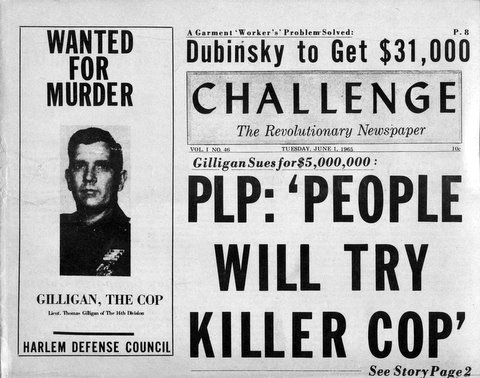
Brief History of PLP [from the Old Mole, July 4-17, 1969]
Letter from Mort Scheer on PL's Relationship with other U.S. Anti-Revisionists
A History of the Progressive Labor Party: The San Francisco State Strike, Part 1, Part 2, Part 3, Part 4
The Five Retreats: A History of the Failure of the Progressive Labor Party by Jim Dann and Hari Dillon
“On PL’s Leaders’ Origins in the CPUSA” by Jim Dann
Progressive Labor Party Forged in Struggle 1960-1964 (Draft)
A review of Challenge in the 1970’s (Draft)
Breaking through the Cane-Curtain: The Cuban Revolution and the Emergence of New York’s Radical Youth, 1961–1965 by Toru Umezaki
Comrade Milt Rosen, 1926-2011 Founding Chairperson of PLP, Great 20th Century Revolutionary
U.S. Communists Begin Ousting ’Pro-Albanians’ From the Party [New York Times, January 6, 1962]
59 U.S. Students Start a Visit to Cuba, Defying Washington [New York Times, July 1, 1963]
A New Left Wing Emerging in U.S. [New York Times, July 14, 1963]
Negro Planning to Run as Socialist for Council [New York Times, July 26, 1963]
50 Students Back from Cuba; House Anti-Red Panel Calls 10 [New York Times, August 30, 1963]
Jury Subpoenas Visitors to Cuba [New York Times, September 10, 1963]
Federal Jury Queries 6 on Recent Cuba Visit [New York Times, September 12, 1963]
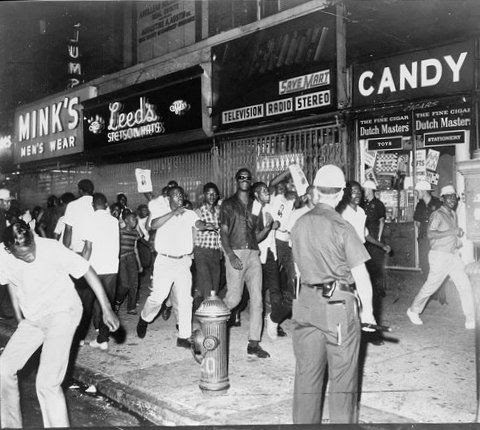
Leftist Movement Opens Harlem Drive [New York Times, June 15, 1964]
Police Ban March in Harlem Today; Sponsors Defiant [New York Times, July 25, 1964]
Protest Leaders Seized in Harlem [New York Times, July 26, 1964]
Leftists Behind Harlem Protest Step Up Work Under Close Eye [New York Times, July 26, 1964]
Left-Wing Group Here Urges a Revolution [New York Times, July 31, 1964]
Communist Views on Negro Collide [New York Times, August 1, 1964]
Criminal Anarchy Charged to Epton in Indictment Here [New York Times, August 6, 1964]
Harlem Leftists Curbed by Court [New York Times, August 8, 1964]
Epton Denies Guilt on Anarchy Charge [New York Times, August 14, 1964]
Red China Assails U.S. Communists [New York Times, August 16, 1964]
40 Leftists Held in 47th St. March [New York Times, August 16, 1964]
Gives As Reason His Desire for Vietnam War to End [New York Times, September 5, 1964]
City Moves to Lift Harlem Injunction [New York Times, September 18, 1964]
Plot is Laid to Harlem Witnesses [New York Times, April 6, 1965]
A New Red Party Is Formed in U.S. [New York Times, April 16, 1965]
New Leftist Group Gives Itself a Name and Elects Officers [New York Times, April 19, 1965]
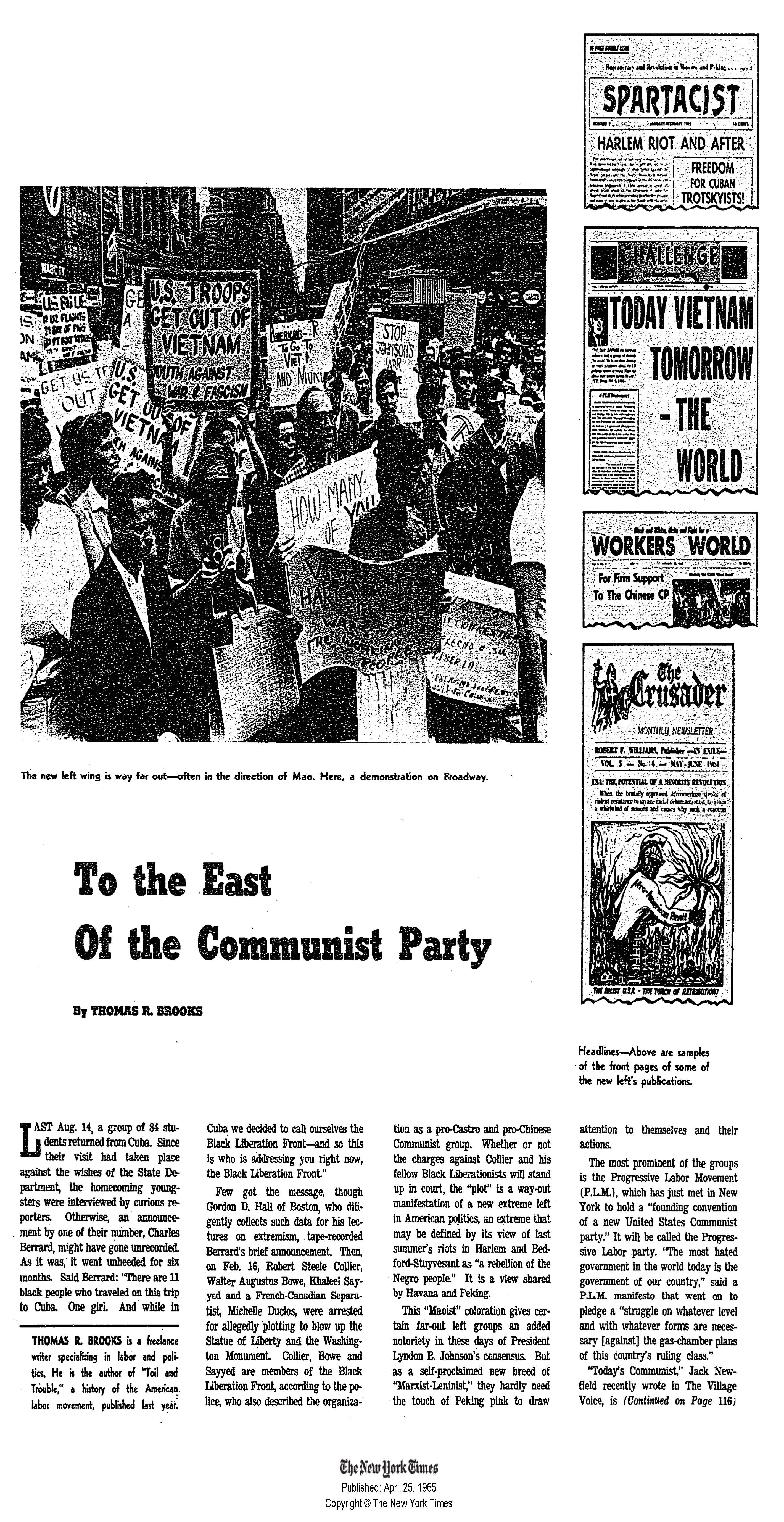
To the East of the Communist Party [New York Times, April 25, 1965]
New Indictment Accuses Epton of Anarchy Plot [New York Times, June 8, 1965]
Plan for Revolt is Laid to Epton [New York Times, December 1, 1965]
Epton is Cleared of 1 of 4 Counts [New York Times, December 11, 1965]
Epton Testifies in his Defense and Denies Charges of Anarchy [New York Times, December 14, 1965]
Epton Convicted on Riot Charges [New York Times, December 21, 1965]
Epton Gets Year in Anarchy Case; Harlem Leader Defends Views [New York Times, January 28, 1966]
U.S. Court Upsets Curb on Passport [New York Times, April 16, 1966]
Witnesses Come from Militant New-Left Groups [New York Times, August 19, 1966]
12 Held as Inquiry on Leftists Ends [New York Times, August 20, 1966]
Just A Quiet Little Hearing [New York Times, August 21, 1966]
Epton’s Conviction in ’64 Riot Stands [New York Times, January 23, 1968]
Epton Enters Jail for Role in Riots [New York Times, February 6, 1968]
Progressive Labor and the New Generation [Bulletin of International Socialism, Vol. 1, No. 1 Supplement, September 1964]
What Lies Behind Khrushchevite Revisionism? A Discussion of the Important Theoretical Questions Raised by Progressive Labor’s Latest International Statement [Bulletin of International Socialism, Vol. 1, No. 4, October 26, 1964]
Fight Inquisition of PLM [Bulletin of International Socialism, Vol. 2, No. 1, January 11, 1965]
On the Road to Revolution in the United States. Progressive Labor and the Origins of Revisionism in the American Communist Movement [Bulletin of International Socialism, Vol. 2, No. 3, Supplement February 8, 1965]
The Questions Facing the Progressive Labor Movement [Bulletin of International Socialism, Vol. 2, No. 7, April 19, 1965]
Special Report on PL’s Foundation Convention [Bulletin of International Socialism, Vol. 2, No. 8, May 3, 1965]
The Progressive Labor Party’s Founding Convention by Tom Kerry [The Militant, Vol. 29, No. 19, May 10, 1965]
Letter of Resignation From Progressive Labor [Bulletin of International Socialism, Vol. 2, No. 14, September 6, 1965]
Progressive Labor on Criticism and Defense [Bulletin of International Socialism, Vol. 2, No. 20, November 20, 1965]
Progressive Labor. Stalin Lives? [Spartacist, No. 5, November-December 1965]
The Epton Trial. Behind the Government’s Witchhunt [Bulletin of International Socialism, Vol. 2, No. 22, December 27, 1965]
Why PL Dissolved M2M [Bulletin of International Socialism, Vol. 2, No. 28, March 29, 1966]
Progressive Labor: Opportunism in the Labor Movement by Lucy St. John [Bulletin, Vol. 4, No. 15, April 15, 1968]
Progressive Labor and Unions – From Lenin to Gompers by Lucy St. John [Bulletin, Vol. 4, No. 16, April 29, 1968]
Progressive Labor and Community Control/Black Power by Lucy St. John [Bulletin, Vol. 4, No. 17, May 13, 1968]
PL and the Origins of Revisionism by Lucy St. John [Bulletin, Vol. 4, No. 19, June 10, 1968]
Progressive Labor Party’s Trade Union Program by the Vanguard Newsletter
PL on Cuba by Ernest Haberkern [International Socialist]
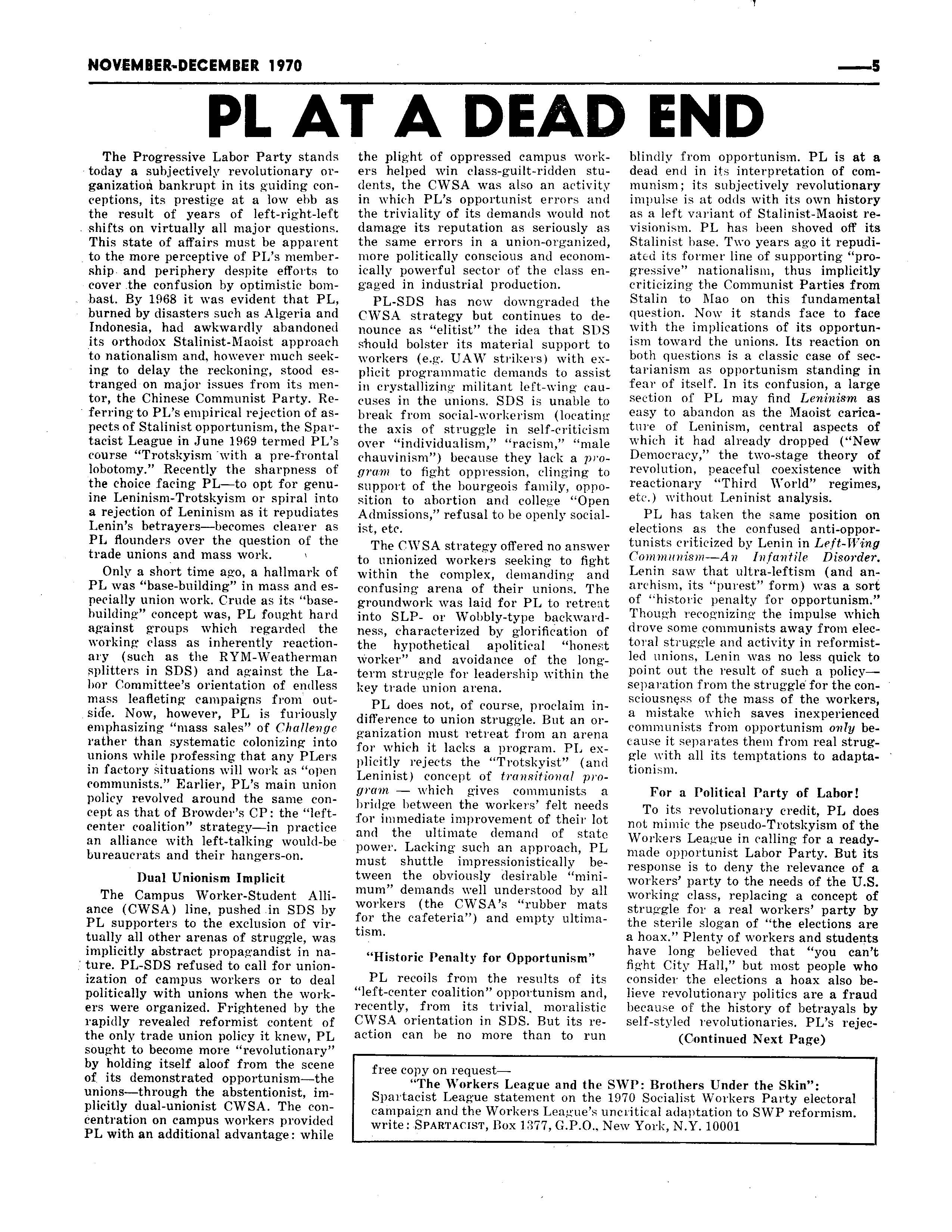
PL At A Dead End [Spartacist, No. 19, November-December 1970]
Questions Facing Progressive Labor by Lucy St. John
Where Is PL Going? by Neil Anthony
Editorial: The End of Progressive Labor Party by the Revolutionary Age
PL: Road to Oblivion? [Workers Vanguard, No. 16, February 1973]
PL on the Road to Reformism: An Insiders’ Viewpoint by Art Carling and Jay Franklin
Student Tells of Challenge, New Harlem Weekly Paper by Brian Keleher
Hammer & Steel on Progressive Labor and the Afro-American National Question
The Progressive Labor Party is a Conciliator of Modern Revisionism by the Communist Party (Marxist-Leninist)
American Maoists Urge Chinese Wall for North Vietnam [World Outlook, February 24, 1967]
Letter to Progressive Labor by Noel Ignatin [with letter of support from Ted Allen]
American Maoists See “Fascist” Take-over in Czechoslovakia [World Outlook, May 27, 1968]
The PLP and Vietnam by the Progressive Workers Movement [Canada]
PLP: A Critique by the Old Mole
SDS Expels PL by New Left Notes
Progressive Labor Party: ’All Nationalism Is Reactionary’ by T. H. Andre
Second Coming [On Progressive Labor and SDS] by Phil Hutchings
The Anti-Marxist-Leninist Line of Progressive Labor by John Ericson and Charles Loren
PL-SDS and the Politics of Disruption by Tony Thomas
PL Breaks with Maoism; Brands China Capitalist by Tony Thomas
In Defense of the Chinese Revolution: An Answer to Progressive Labor by Tony Thomas
PL Gangster Attacks in River Rouge Workers Vanguard, February 28, 1975
PL “Picks Up the Gun” for Uncle Sam by Young Spartacus
Will PL Support Choice? [from the Workers’ Advocate Supplement, published by the Marxist-Leninist Party, USA]
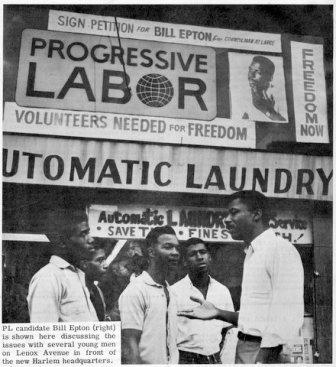
Here We Stand: A Statement of Principles by the Editors [Milton Rosen and Mort Scheer]
Report on Readers Conference [Progressive Labor, Vol. II, No. 4, April 1963]
Negro Freedom: A Comment by Mort Scheeer [Progressive Labor, Vol. II, No. 4, April 1963]
U.S. Grand Jury Calls PL Leaders – Milton Rosen Blasts Kennedy “Fear”
How They Muzzled The Aug. 28 March: 200,000 Took A Step Towards Freedom, But There’s Still A Long March Ahead [On the 1963 March on Washington]
“Freedom Now Party” – A Comment by Bill Epton
Audio Recording of PLM Press Conference on the Return of U.S. Students from Cuba, 1963 (Part 1: Initial Interview with Phillip Abbott Luce and press conference introduction), (Part 2: Discussion on race), (Part 3: Statement from Mexican American students), (Part 4: Statements of other students who went to Cuba), (Part 5: Discussion of political views)
Transcript of PLM Press Conference on the Return of U.S. Students from Cuba, 1963 (Part 1: Initial Interview with Phillip Abbott Luce and press conference introduction), (Part 2: Discussion on race), (Part 3: Statement from Mexican American students), (Part 4: Statements of other students who went to Cuba), (Part 5: Discussion of political views)
First PL Election Campaign Winds Up
Kennedy’s Assassination: A System in Crisis [A Progressive Labor Special Supplement]
William Z. Foster by Fred Carlisle
War on SNCC: Turning Point for Freedom Fighters
Malcolm X and Black Nationalism: An Editorial Comment [Progressive Labor, Vol. 3, No. 5, May 1964]
Johnson’s War in Vietnam by the Editors of Progressive Labor
The 1964 Harlem ’Riot’: Challenge, July 25, 1964
The 1964 Harlem ’Riot’: Challenge, August 1, 1964
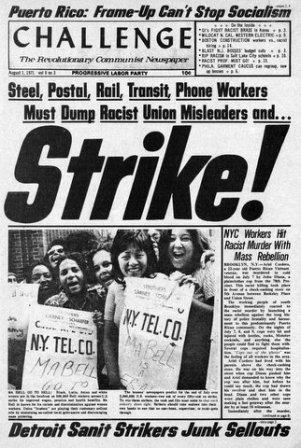
Armed Police Terror by Bill Epton, Fred Jerome and Milton Rosen
Brown Calls Cops to Teach Students [Progressive Labor Movement leaflet, Berkeley Free Speech Movement]
On The Marxist-Leninist Method of Reaching Decisions by Lee Coe
Progressive Labor Editorial Comment: Malcolm X and Black Nationalism
Call For A National Founding Convention
Statement of Principles and Strategic Concepts
The Student Committee for Travel to Cuba Comments
It is not enough to be for peace... by the May 2nd Movement
Special Edition of Challenge newspaper: Today Vietnam, Tomorrow – The World
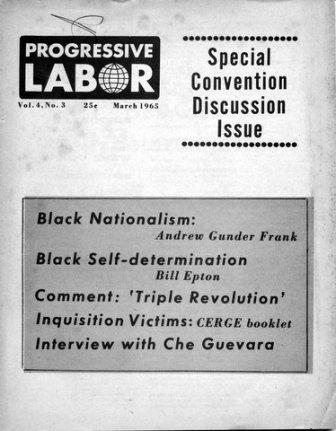
Black Self-Determination by Bill Epton
The Black Liberation Struggle and the Right to Revolution [Pre-Convention Discussion Bulletin #2: Minutes of the October 1964 Meeting of the National Coordinating Committee of the Progressive Labor Movement]
Black Nationalism is the Correct Strategy by Andrew Gunder Frank
Freedom NOT Nationhood by Bob Glaberson
Some Ideas on Black Liberation. A Report of a Discussion from the State of Washington
’Parallel Struggle’ The Right Way by Bill Turner
To Build a Socialist U.S.A.: PROGRESSIVE LABOR PARTY BORN
We Have A Choice! Bill Epton for State Senator [flyer]
Editorial: Revolutionary Socialism Will Triumph
We Accuse: Bill Epton Speaks to the Court
’They’re Crawling Out of the Walls Again’ An Editorial
PLP Community Work: 1001 Days and Nights on the Lower East Side by Alice Jerome
PLP Community Work: Struggles in the Mission District by the PLP Club Mission District
Progressive Labor Party Statement “On Black Power”
New Program of the Communist Party U.S.A. (A Draft): “Pretty Pictures of Singing Tomorrows” by Alice Jerome and Mort Scheer
Elections: A Method of Struggle by Jeff Gordon
PLP Study Guide for Classes on the Party
Origins of Revisionism in the USSR by John Ericson
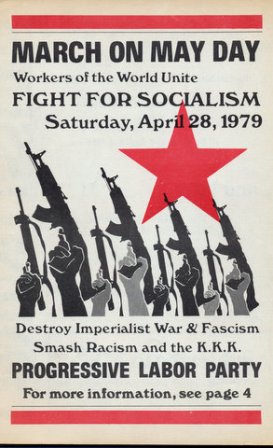
Harlem Finks Get ’Hard Time’ by Bill Epton [on the CPUSA (M-L)]
Letter to Challenge newspaper: National Question [on the CPUSA (M-L)]
Build a Base in the Working Class
Communists Try to Organize “Factories in the Fields”: Organizing California Migrant Workers in the Great Depression by Jin Dann (Progressive Labor, February 1969]
Revolutionaries Must Fight Nationalism
Nationalism Divides Workers – Don’t Be a Sucker for the Bosses [PL Replies to Its Critics] by Mort Scheer
New York: a big “YES” for internationalism by the Canadian Worker
An Inside View: Progressive Labor Party
Fight Sectarianism – Build Party Unity with the Masses
Strengths and Weaknesses in the line of the International Communist Movement
The 7th Comintern Congress and The United front Against Fascism
CIO: 1937-1950 [on the role of the CPUSA] [Progressive Labor, Vol. 8, No. 4, March 1972]
Letters and Petition Protesting How Delegates to the Third Party Convention were Chosen by Dennis King, Bruce Bailey et al
Suggestions for the [Third] Party Convention [On the Crisis in PL] by Dennis King
P.L.P. Third Convention [opening, closing remarks and resolutions]
PLP Convention: Build a Mass Communist Party!
* * *
The Party, the Current Period, and Fighting the Right-Wing Trend by T.C.
On Male Chauvinism [in the PLP] by Susan L.
Miscellaneous PL Documents on Homosexuality
Exchange on Homosexuality in Challenge-Desafio
Experiences of Communist Organizing in the U.S. Army [Progressive Labor, Vol. 9, No. 6, April-May 1975]
Revisionism: Gains of Soviet and Chinese Revolution Have Been Betrayed by Present Rulers
Win With Marxism-Leninism. A Progressive Labor Party Cartoon Book
Preparing for the Seizure of Power
Only Revolution Will End the Treachery of Revisionism
The Role of Industrial Workers in the Fight for State Power
On the Road to Power: Communist Fractions Pave the Way Part I, Part II
On Democratic Centralism, Part I, Part II, Part III.
The Vital Role of Our Party in the Struggle for Workers’s Power
For a New International Communist Movement
Progressive Labor Party Internal Bulletin [April 1977]
Report to Steering Committee of Progressive Labor Party: “Dark Night Shall Have its End”
The People Need a Communist Party by Bill Epton [critique of the PLP]
Notice from the National Committee of the Progressive Labor Party [on the expulsion of Bill Epton]
PLP internal document on nationalism and the expulsion of Bill Epton [Winter 1970]
“Chicken Little in Boston” [On the Boston PL split]
Letter of Resignation by Jim Dann (1977)
Some Notes on Leaving the Party by Jim Prickett (1979)
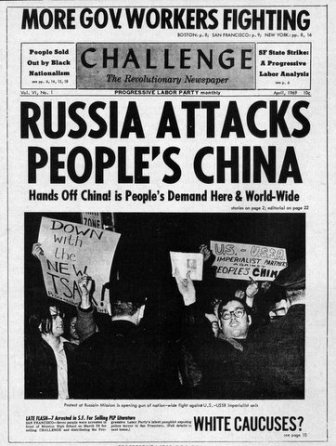
China’s Cultural Revolution by Sam Corbin
Exclusive CHALLENGE Report! Inside A Red Guard Unit
Prof. From China Speaks: Columbia Students Learn of Red Guards by Tony Papert
Challenge Editorial: New ’Friends’ of China
A First Hand Report on the Cultural Revolution Written Especially for Challenge Readers by Rewi Alley
A Personal View of China's Cultural Revolution by Kurt Mendelssohn [Challenge, Vol. III, No. 12, March 1967]
Progressive Labor Hails Dictatorship of the Proletariat in China [Progressive Labor, Vol. 7, No. 3, November 1969]
International Report [PLP internal document on differences with China over nationalism, Winter 1970]
Workers Will Doom China-US Marriage [Progressive Labor, Vol. 8, No. 2, August 1971]
The Great Proletarian Cultural Revolution and the Reversal of Workers’ Power in China
C“C”P Tenth Congress Entrenches Fascism
China: Congress Strengthens Rightist Forces
China: A New Cultural Revolution?
An Updated Look at China [Progressive Labor, Vol. 9, No. 6, April-May 1975]
Mao: The Two Sides of His Life
China:The Reversal of Socialism
China Leaders Turn More to the Right
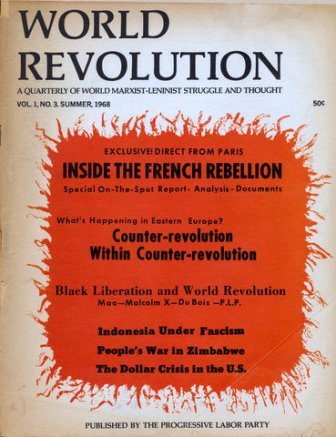
Soviets Take ’New Look’ at Wall Street by Milt Rosen [Challenge, Vol. 2, No. 3, July 13, 1965]
Imperialist and Revisionist Allies by Milt Rosen [Challenge, Vol. 2, No. 17, February 15, 1966]
France May 1968 Workers Rebel!
Defeat USSR Imperialism-Czechoslovak Revisionism
On ’Super-Revolutionaries’ – Why Che Had to Fail by Jim Dann
Guevera’s Great Adventure by Eric Johnson
Is Cuba Socialist? by Jake Rosen
Challenge Editorial: Workers Will Smash Nixon-Mao/Chou Axis
Soviet Imperialism, Part 1: USSR Capitalism is Still Capitalism Digging Its Own Grave
Soviet Imperialism, Part 2: ’Red’ Bosses Exploit Workers in the Soviet Union
Poland Workers Expose ’Socialism’, Rebel Against High Prices
Rise of USSR as Top Imperialist Dog
More Than A Few Good Guerrillas Are Needed to Make A Revolution [20 years after the murder of Che Guevara]
The great Flint Sit-down Strike Against GM 1936-37 by Walter Linder
Of Ballots and Guns by Ed Clark
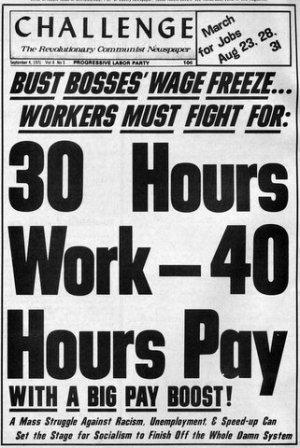
Progressive Labor Party Trade Union Program
The Revolt in Watts by Bill McAdoo
Anti-War Independents Blast Two-Party Sham
On Black Power – Progressive Labor Party Statement
Progressive Labor Critique of Scheer Race
On HUAC’s cesspool bill: A Statement by Progressive Labor Party Witnesses, August 19, 1966
Progressive Labor Party Statement: The Elections: Decline of Liberalism, Lessons for Left [Challenge, Vol. III, No. 10, December 15, 1966]
Left Upholds PL Partiers Against Fuzz
Aftermath of the 1967 U.A.W. Strike by Walter Linder
Blacks Answer in Fury: Non-Violence is Dead. Organize! [on the assassination of Dr. Martin Luther King, Jr.]
Memphis Workers Fight: The City Sanitation Workers’ Strike by Fred Lacey
Black Workers: Key Revolutionary Force
The Black Panther Party Statement by the Black Liberation Commission of the PLP [Progressive Labor, Vol. 6, No. 6, February 1969]
U.S. Imperialism and the Fascist Danger by Clayton Van Lydegraf
Don’t Abandon the Workers: Trade Unions Are ’Schools for Communism’ by Walter Linder
Panthers Suffer Local ’Atrocities’: Black Workers Feared
Black and White Construction Workers: Divided by the Bosses
Who Are the Bombers? Often the Rulers! by SDS
Who Governs McGovern? [expanded version]
Rank-and-File Caucuses for Workers' Power in Trade Unions: A Progressive Labor Party Program [Progressive Labor, Vol. 8, No. 4, March 1972]
Who Rules the U.S.? Masters Behind the Scenes: How They Run the Government
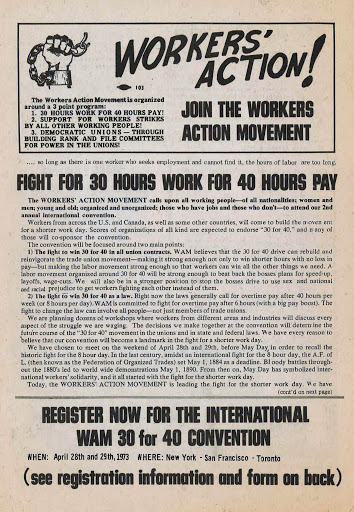
Workers' Action! Join the Workers Action Movement
The WAM Kit [to all WAM leaders]
A preamble to the WAM Constitution
Keynote Speech to the WAM Convention
Progressive Labor Party Statement to the WAM Convention
Late articles for the WAM newsletter
* * *
Watergate: Billionaries’ Dogfight Over Their Declining Empire
PLP Editorial: Take Back the Unions
All Capitalists Are Evil; Don’t Vote for Any
Make Unions ’Schools of Communism’
Are Unions ’Weapons of Revolution’?
Communists as Union Officials?
Lessons of 1964 Harlem Rebellion
The Pittsburgh Insurrection and Railroad Strike of 1877
May 2nd Marches Hit U.S. War in Viet Nam: Nationwide Demonstrations Biggest Yet by Fred Jerome [Progressive Labor, Vol. 3, No. 5, May 1964]
The Significance of the State Department White Paper on Vietnam by the May 2nd Committee Harvard-Radcliffe
The Peace Movement by Milt Rosen, President, Progressive Labor Party
Peace Movement–II: Workers Hold Key by Milt Rosen, President, Progressive Labor Party
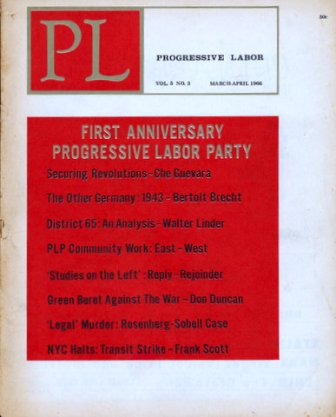
LBJ Attacks With A Right and "Left": PLP Statement on the Peace Movement
M-2-M: ’Won’t Stop Now’ by Walter Linder
45 Pledge Blood to Viets, North or NLF
The War and the Movement by Roger Taus [Progressive Labor, Vol. 5, No. 2, December 1965]
Imperialist and Revisionist Allies by Milt Rosen, President, Progressive Labor Party
Build and Unite the Movement: A Statement on the Dissolution of M2M
We stand united against imperialist wars
The War and the Movement A Statement by the National Committee Progressive Labor Party
Stop the Draft! by Len Ragozin
Anti-War Movement Must Ally or Die
U.S. Imperialism and Vietnam: An Economic View
PL Editorial: U.S. Get Out of Vietnam Now!
White House-Kremlin Collusion in Vietnam. Anti-Revolutionary Axis A Progressive Labor editorial
Vietnam: Defeat U.S. Imperialism
Liberal Politicos and Revisionists Ally with Imperialism on Vietnam
Vietnam: Struggle Must Continue (First of a two-part series)
Vietnam: Past and Future (Second of a two-part series)
SMC meeting maps plans; assault by PL rebuffed [The Militant, June 5, 1970]
Facts about PL attack on SMC meeting [The Militant, June 12, 1970]
Wide array of groups back SMC on issue of PL attacks
Why SMC/YSA Lie about SDS [New Left Notes, vol. 5, no. 13, n.d.]
Smash the Bosses’ Armed Forces: A Fighting Program for GIs
GI’s are Fighting... AGAINST the U.S. Army
Burn Calley and the Brasses Ass!
Calley & his bosses: they’re ALL murderers
Brass & Lifers Scared – Challenge Has Them on Run!
Free the Quang Tri 4! Fight Racism! Smash the Bosses’ Armed Forces!
Black Prisoners Battle Stockade Guards [and other GI news]
G.I. Joe’s a Red! by Dennis Davis
GI’s Fight Back! n.d [April 1971?]
GI’s Fight Back! n.d [May 1971?]
GI’s Fight Back! n.d
Progressive Labor Party G.I. Newsletter, September 1972
The Hidden History of the Vietnam War: When Black and White GIs United and Fragged Their Officers [and other GI stories]
Rick Rhoads – Angry Young Activist
Los Angeles.... We Must Rule the Schools!
A program for action: Worker-Student Alliance by Jeff Gordon
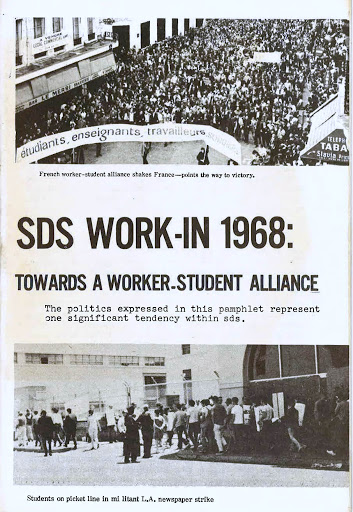
SDS Work-In 1968: Towards a Worker-Student Alliance
The Columbia Rebellion. Lessons for the Student Movement
Worker-Student Alliance at NYU Bellevue Hospital [Progressive Labor, Vol. 6, No. 4, June 1968]
SDS: An Analysis by Jeff Gordon
Rulers Coopt Nationalist Demands: Black & Brown Students Used by Don King
One World Imperialists Run ’Third World’ Student Movement by Hari Dillon and Bridges Randle
Fight to Win, Issue #1 [published by the Worker-Student Alliance Caucus (internal to SDS)]
Another view on SDS by Jim Prickett
Statement on the Walk-Out [PL Statement on the SDS 1969 split]
National Secretary’s Report: RYM Walks Out [PL’s Analysis of the SDS 1969 split]
A Class Analysis of the Radical Student Movement by Fred Gordon
Southern Students Defeat Liberalism: The South Must Be Won by Ed Clark
60 Yale Students Suspended After Office Occupation
Fight Racism! by SDS
700 turn out for national WSA meeting by Carl Davidson
Campus Worker-Student Alliance by Bob Leonhardt
Students Upset Courtroom ’Order’: Put the Courts on Trial by John Levin
PL internal document on preparation for 1970 SDS convention
Free Student, #7, April 1966 [May 2nd Movement]
Marxist-Leninist Organization Formed by Columbia Students
American Students’ Trip to Cuba Creates Furor by Jonathan Stein
Anti-Nhu Student Arrested at CCNY For “Loitering”
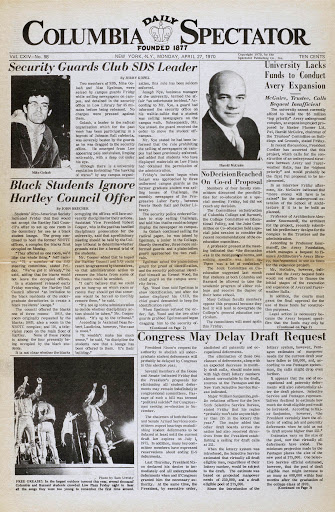
Allow Marxist-Leninist Group To Meet Pending Recognition
Progressive Labor’s Editor Says Oswald Was Innocent by Joel Levine
Progressive Labor Plans to Organize West Side Tenants by Peter Greene
Prof. From China Speaks: Columbia Students Learn of Red Guards by Tony Papert
Attempts by PL Fail to Organize Library Workers by John Koutsos
Rifts Within Student Left Hamper Anti-War Efforts by Michael Rothfeld
Labor Committee Disbanded By SDS General Assembly by Louis Dolinar
’Challenge’: Counter-Institutions
SDS Tactics: Getting It Together. .. Whatever It Is by Jeffrey Arsham
SDS Faction Stages 6-Hour Sit-in by Jerry Kopel
SDS Focuses on “Fighting Racism” by Lenny Glynn
The Battle Joined: SDS vs PL by Lenny Glynn
SDS Divided on Analysis of Failure by Lenny Glynn
Two, Three, Many SDS’s by Lenny Glynn
WSA to Organize Cafeteria Boycott To Back Workers by Lilian Ehrlich
Radical Groups Plan 3 Separate Protests: RYM and WSA Call For Actions Today by Fred Schneider
WSA 1-Day Cafeteria Boycott Termed ’Fairly Successful’ by Lenny Glynn
WSA Pickets Dining Halls; Clash With Guards at Dodge by Louis Dolinar
Collective Discipline Trial Set For 5 WSA Members
Tribunal Suspends 5 WSA Members For Indefinite Time by Cyndi Reinhart
NUC Expels Labor Faction In Internal Political Dispute by Linda Weinstein
SAS Support for Panthers May Bring Unity to Radicals by Louis Dolinar
Security Guards Club SDS Leader by Jerry Kopel
Latins Demand ’Free Puerto Rico’ by Ben Lieber
Attack on PL by Michael Golash
SDS Makes Major Change In Its Political Orientation by Ben Lieber
May 2nd Leader Denies PLP Controls Movement by Michael Lerner
SDS Members Picket Boston Army Base by W. Bruce Springer
SDS Shifting From Protest to Organizing by Richard Blumenthal
SDS Leadership Strong On Unity
175 March Into Univ. Hall, Protest Project Cambridge by David N. Hollander and Jeff Magalif
Must Be the Season of the War by Carol R. Sternhell
WSA Charges Weathermen With Attacks on Workers by Carol R. Sternhell
350 Anti-War Marchers Rally at JFK Building by Carol R. Sternhell
SDS Members Protest ’Racism,’ Plan Sit-In by James M. Fallows
SDS and Weathermen Hold Separate Protests by Shirley E. Wolman
WSA Caucus Considers Vote to Disband After Splits Between Old SDS Factions
SDS Leads Boston March Against the Vietnam War by M.D.L.
PL Attacks Ansara; Ansara Attacks PL
14 Arrested at Boston Globe Office by H. Jeffrey Leonard
The Strike as History by Seth M. Kupferberg
Bury Trudeau with anti-racism and revolution: Raise red flag over Quebec and all of Canada by the Progressive Labor Party
Lenin’s road to revolution: Support Quebec’s right to self-determination by the Canadian Party of Labour
Minutes of Toronto Cell Leaders’ Meeting, August 13, 1978 [including “PL’s Abandonment of Leninism”]
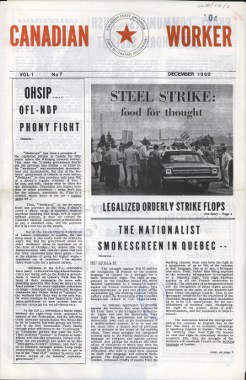
Can’t fight racism with nationalism: Nationalism equals capitalism by the Progressive Labor Party
Leninist principles guide CPL’s work by the Canadian Party of Labour
PLP: Liberals with baseball bats by the Canadian Party of Labour
An encore for chauvinist PLP by the Canadian Party of Labour
PLP factionalism by the Canadian Party of Labour
Letter: Change in PLP line? by the Canadian Party of Labour
Mourn for him, boys PLP-LP rewrites Joe Hill by the Canadian Party of Labour
Concerning the road to revolution by the Canadian Party of Labour
Concerning PL’s erroneous line: Peasants and socialism by the Canadian Party of Labour
Road to Reaction III by the Canadian Party of Labour
Road to Reaction III: Ignorant and opportunist attack on Stalin by the Canadian Party of Labour
Road to Reaction III (comments on PLP line): Getting Lenin straight by the Canadian Party of Labour
Concerning the road the revolution: PL at sea in anarchy by the Canadian Party of Labour
* * *
The Marxist-Leninist Quarterly
Progressive Labor magazine, 1971-1982
W.I.N. The Workers International Newsletter
[Back to top]
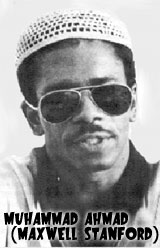
The Revolutionary Action Movement (RAM) was the first independent Black revolutionary Marxist organization of the 1960s. Organized in 1962 by Muhammad Ahmad (Max Stanford), a close associate of Malcolm X and Queen Mother Audley Moore, RAM was a national semi-clandestine organization which articulated a revolutionary program for African Americans that fused Black nationalism with Marxism-Leninism.
Although it was not a large organization, RAM influenced a wide range of groups, including the Student Non-Violent Coordinating Committee (SNCC), the Black Panther Party, the League of Revolutionary Black Workers, and the Black Workers Congress. RAM dissolved in 1969. As Max Elbaum notes, “RAM’s significance had not resided in its organizational strength, but in its popularization of revolutionary nationalist, Marxist and Maoist ideas during a critical period of the Black freedom movement.” (Revolution in the Air, p. 65)
Revolutionary Action Movement (RAM):
A Case Study by Maxwell C. Stanford
A History of the Revolutionary Action Movement by John Jones
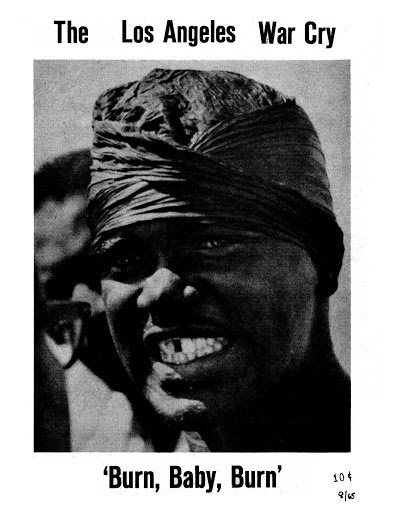
The World Black Revolution by Muhammad Ahmad [1966]
Revolutionary Nationalist [August 1965]
Vibrations, #3, September 21, 1968
Vibrations, #4, December 21, 1968
[Back to top]
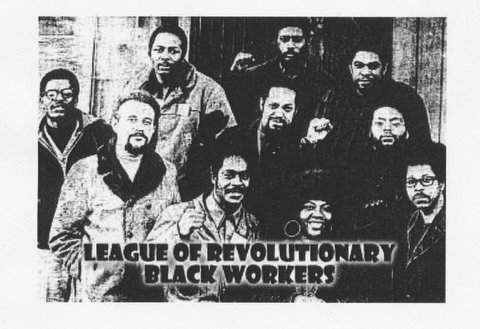
The League of Revolutionary Black Workers (LRBW) was formed in 1969 in Detroit, Michigan. The League united a number of different Revolutionary Union Movements (RUMs) that were growing rapidly among rank-and-file Black workers in the Detroit auto plants. The formation of the League was an attempt to create a more cohesive political organization guided by the principles of Black liberation and revolutionary Marxism-Leninism. By the summer of 1971, the League ceased to exist, having split into several groups. One of these groups joined with the Communist League and other organizations to found the Communist Labor Party. Others became part of the Black Workers Congress and its progeny. While the LRBW was only active for a short period of time, it was a significant and influential organization in a time of increasing militancy and political action by Black workers and in the context of both the Black liberation and anti-revisionist communist movements in the United States.
For 1969, Dodge Fever Turns Up the Heat by Donna Shoemaker [The Movement, December 1968]
“Finally Got the News” – film (1970)

“Finally Got the News” – the Making of a Radical Film by Dan Georgakas
The League of Revolutionary Black Workers and the Coming of Revolution by Eric Perkins [Radical America, Vol 5, No. 2, March-April 1971]
BWC leader looks at past, sees new stage of struggle
Soul Power or Workers Power? The Rise and Fall of the League of Revolutionary Black Workers
Revolutionary struggles of Black workers in the 1960s
The League of Revolutionary Black Workers: A Historical Study
The League of Revolutionary Black Workers and the coming of revolution
Dying from the Inside: The Decline of the League of Revolutionary Black Workers by Ernie Allen
Dan Georgakas on the Successes and Failures of the Dodge Revolutionary Union Movement (DRUM)
The League of Revolutionary Black Workers, Arab Americans and Palestine Solidarity by Lauren Ray
Remembering a History-Making Movement 30 Years Later. DRUM: The Beat Goes On and On
Lessons from the League of Revolutionary Black Workers
Social Class and the Revolutionary Politics of the Black Liberation Movement: The Black Panther Party and the League of Revolutionary Black Workers by Mikhail Pronilover
External and Internal Pressures on Radical Social Movements: Tracing the (De)Mobilization of the League of Revolutionary Black Workers by Jordan W. Scott
The General Policy Statement and Labor Program of the League of Revolutionary Black Workers
Constitution of the League of Revolutionary Black Workers
D.R.U.M. – Vanguard of the Black Revolution by Luke Tripp [the south end, January 23, 1969]
On Repression by Kenneth Cockrel, League of Revolutionary Black Workers
Who is James Johnson Spear, Voice of the League of Revolutionary Black Workers
The Split in the League of Revolutionary Black Workers: Three Lines and Three Headquarters by Ken Cockrel, Mike Hamlin and John Watson
DRUM, Newsletter of the Dodge Truck Revolutionary Union Movement
Newsletter of the Eldon Ave. Revolutionary Union Movement
Spear, Voice of the League of Revolutionary Black Workers Vol. 1, No. 1 [1969]
Rank and File, Vol. 2, No. 4, March 24, 1971
FRUM, Newsletter of the Ford Truck Revolutionary Union Movement Vol. 1, No. 4
MERUM, Newsletter of the Mound Road Engine Revolutionary Union Movement
UNIRUM, Newsletter of the Uniroyal Revolutionary Union Movement Vol. 1, No. 4, March 24, 1971
LRUM, Newsletter of the Lafayette Clinic Revolutionary Union Movement Vol. 1, No. 4
[Back to top]
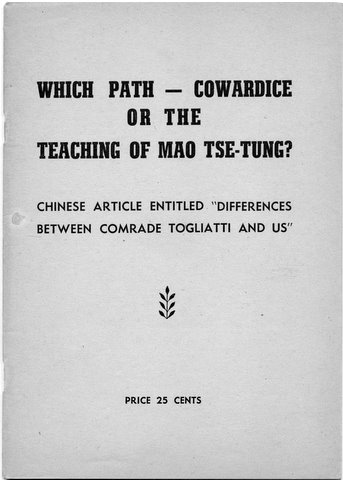
Hammer & Steel (H&S) developed from a split in the CPUSA in New England in 1960-61. It was led by Homer Chase, the former organizer of the New England District, CPUSA and and a member of its National Commmittee, together with a small group of his supporters. Notice of the appearance of the H & S group first appeared in the newspaper of the POC in November 1961. The Hammer & Steel Newsletter began appearing the following year. Sometimes going by the name to the New England Party of Labor, H & S criticized the CPUSA for what it described as a liquidation of the revolutionary line on the African American national question, and for returning to a position of “American Exceptionalism” (by supporting the presidential campaign of John F. Kennedy). Though a small group, H&S was the only U.S. anti-revisionist organization to be attacked by Khrushchev by name in a polemic against the Communist Party of China (CPC) in which he accused the Chinese of supporting splits in Communist Parties around the world. H & S's efforts to collaborate with the POC and PL failed to bear fruit, but, for a bried period in the mid-1960s, it did succeed in issuing joint statements with the Ad Hoc Committee for a Marxist-Leninist Party. From 1961 through 1966 H & S strongly supported Chinese and Albanian positions in the polemics within the international Communist movement and H & S representatives claim to have met with the Central Committees of both the Chinese and Albanian parties. In 1968, however, H & S sharply criticized the leaders of Cultural Revolution as “left revisionists who are different in form but the same in essence as modern revisionists.” H & S later began calling itself Ray O. Light before adopting its current name – the Revolutionary Organization of Labor.
The American Road to Socialism by Homer Chase
Letter to the Members of the New England District from the National Secretariat, CPUSA
“Centrist” Revisionism in the United States (A letter from Homer Chase to Red Front and the editors’ response)
Toward A Marxist-Leninist Party in the United States
Introduction to Which Path – Cowardice or the Teaching of Mao Tse-Tung?
Hammer & Steel on Anti-Revisionist Struggles in the US Since 1956
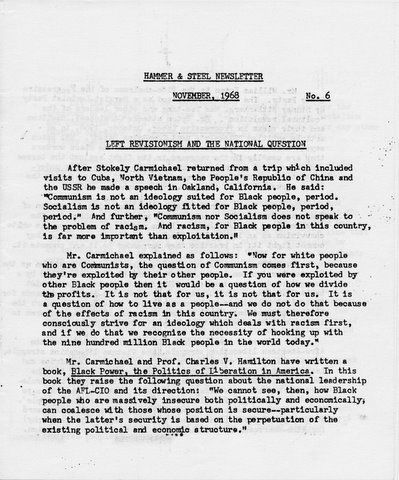
Hammer & Steel on Progressive Labor and the Afro-American National Question
China’s Great Cultural Revolution Has Opened a Channel to Communism by Sidney Rittenberg [Reking Review, April 14, 1967]
“On a Speech by Sidney Rittenberg”
The Meaning of Martin Luther King’s Death
Left Revisionism and the National Question
Purge the Ranks! Clarify the Program! [Hammer & Steel handout to the 1969 SDS Convention]
Maoism vs. National Liberation: Where Does RYM II Stand?
[Back to top]
Antithesis appears to have been a small group of young people in San Francisco, who published seven issues of an anti-reivisionist newsletter of the same name from August 1964 until November 1965. It is believed that this group may have had some connections with Hammer & Steel.
Student Movement U.S.A. – ’60s to the Present [On the Berkeley Free Speech Movement]
[Back to top]
In 1968, differences within and around Hammer & Steel led to the formation of a group called Youth for Stalin, which later that year issued a long polemic entitled, “The Role of the Dictatorship of the Proletariat in the International Marxist-Leninist Movement. The October Revolution vs. the ’Cultural Revolution’.“ Shortly thereafter, the group changed its name to the Stalinist Workers Group for Afro-American National Liberation and a New Communist International. The Stalinist Workers Group issued an irregular publication, the Stalinist Workers Group Bulletin until at least 1973. In 1976 the group renamed itself Ray O. Light.
Present Situation and Crisis in the Afro-American National Liberation Struggle
Toward Victorious Afro-American National Liberation
Stalinist Workers Group Bulletin #5 [August 30, 1970] [A New Crisis in Afro-American Leadership]
Stalinist Workers Group Bulletin #7 [October 1970] [Fighting Talk On Indo-china: Which Side Are Sihanouk and the Chinese “Cultural Revolution” On?]
Stalinist Workers Group Bulletin #11 [October 1973] [Sihanouk: A Man to be Watched]
[Back to top]
Little is known about the Ad Hoc Committee. Some claimed it was a secret faction within the CPUSA in Chicago. It published the Ad Hoc Bulletin (Marxist-Leninist) from 1963 through 1971. The publication strongly supported the Chinese Cultural Revolution and some of its materials were reprinted by the Chinese in the mid-1960s.
In their book, Heavy Radicals. (Zero Books, 2015) Aaron J. Leonard and Conor A. Gallagher argue that documents they received from the FBI pursuant to a Freedom of Information Act request reveal that this group was, in fact, a creation of the FBI as part of the Bureau ’s Cointelpro operation against the CPUSA.
Modern Revisionism – The Essence behind the Appearance
China Is World Revolutionary Centre, Says Ad Hoc Committee for a Marxist-Leninist Party, U.S.A.
Revisionism in the Service of Imperialism
U.S. Ad Hoc Committee for Marxist-Leninist Party Acclaims China’s Cultural Revolution
U.S. Ad Hoc Committee for Marxist-Leninist Party Hails Mao Tse-tung’s Thought
Old Left Orthodoxy – Impediment to Revolutionary Progress? [On SDS]
Letter to the Guardian [on the Guardian Forums]
Ad Hoc Bulletin (Marxist-Leninist)
[Back to top]
The C.P.U.S.A. (M.-L.) was born in Los Angeles during the 1965 Watts riots out of a split in the local POC. It published a newspaper, the People's Voice and a theoretical journal, Red Flag from 1965 to 1968. In 1968, the Party underwent a split, with both successor organization's keeping the C.P.U.S.A. (M.-L.) name. One, under Arnold Hoffman, continued to publish the People’s Voice. The other, headed by Michael Laski, began publishing a new newspaper, The New Worker in 1969. That same year, the Laski group merged with the Proletarian Revolutionary Party in New York, led by Jonathan Leake, a former anarchist turned Maoist, who had been active in the Resurgence Youth Movement, which was founded in September 1964 as the youth section of the Anarchist Federation to which Murray Bookchin and Noam Chomsky belonged. Both C.P.U.S.A. (M.-L.)s appear to have disappeared by 1971. After the demise of the Laski C.P.U.S.A. (M.-L.), the former members of the Proletarian Revolutionary Party and others reconstituted themselves as the Marxist-Leninist Party. These C.P.U.S.A. (M.-L.)s should not be confused with the C.P.U.S.A. (M-L) founded by the Marxist-Leninist Organizing Committee (M.L.O.C.) in 1978 nor with the C.P. (Marxist-Leninist) created by the October League in 1977.
May Day 1965 – 79 Years of Revolutionary Tradition! by the Los Angeles POC [leaflet]
Harlem Finks Get ’Hard Time’ by Bill Epton [on the CPUSA (M-L)]
Letter to Challenge newspaper: National Question [on the CPUSA (M-L)]
Comrade Laski, C.P.U.S.A. (M-L) by Joan Didion
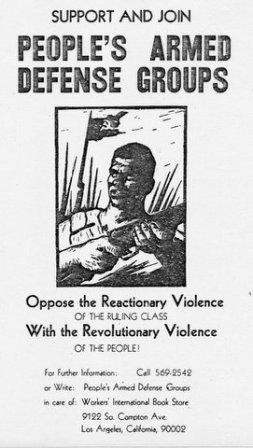
We Call on the People of the World to Support the Heroic Struggle of the People of Los Angeles
Notice of Expulsion [of Nelson Peery and Eva Rodriguez]
Founding Conference of Communist Party U.S.A. (Marxist-Leninist)
Declaration of the C.P.U.S.A. (M.-L.)
Role of C.P.U.S.A. (M.-L.) in Vietnam Demonstrations
Oppose Police Brutality and Police Violence! [leaflet]
Yorty is a Liar! [leaflet]
We Must Build the August 11th Movement to Oppose Imperialism! [leaflet]
The Progressive Labor Party is a Conciliator of Modern Revisionism
First Anniversary of “People’s Voice”
General Program of the Communist Party of the United States of America (Marxist-Leninist)
Some General Comments on the Views of the Communist Party of Japan and the Korean Workers’ Party
Armed Workers Can be Free [leaflet]
Oppose the War in Vietnam–Fight for Socialism [leaflet]
POC – Rank Amateurs! [People’s Voice, Vol. III, Nos. 10-11, May 8-28, 1967]
Central Committee Expels M.I. Laski from Communist Party U. S. A. (Marxist-Leninist)
New Developments on Expulsion of Renegade M. I. Laski from the C.P.U.S.A. (M.-L.)
Party Split Causes Temporary Setback
Orthodox Group Holds Conference
Struggle Between Two Lines in the C.P. “USA” (M.-L.)
* * *
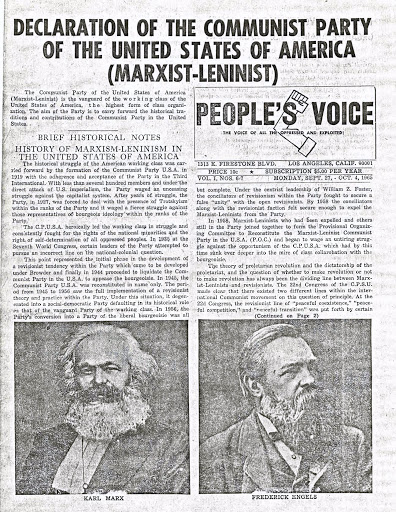
United Front in Action by Nommo Thabiti
Revisionist-Panther Fraud: Right Wing Communists Run Anti-Fascist Show
Unity Conference Held N.Y.C., Achieves Goals
Struggle Between Two Lines in the Proletarian Revolutionary Party
Only Proletarian Revolution Will End Imperialist Wars! [flyer]
Class Struggle, No. 1, February 1970.
Draft General Program of the Communist Party U.S.A. (M.-L.)
Panthers Must Fight Off Revisionists’ Kiss of Death!
Visit to Europe of General Secretary of C.P.U.S.A. (Marxist-Leninist)
C.P.U.S.A. (M.-L.)-Progressive Workers Movement Communiqué
[Back to top]
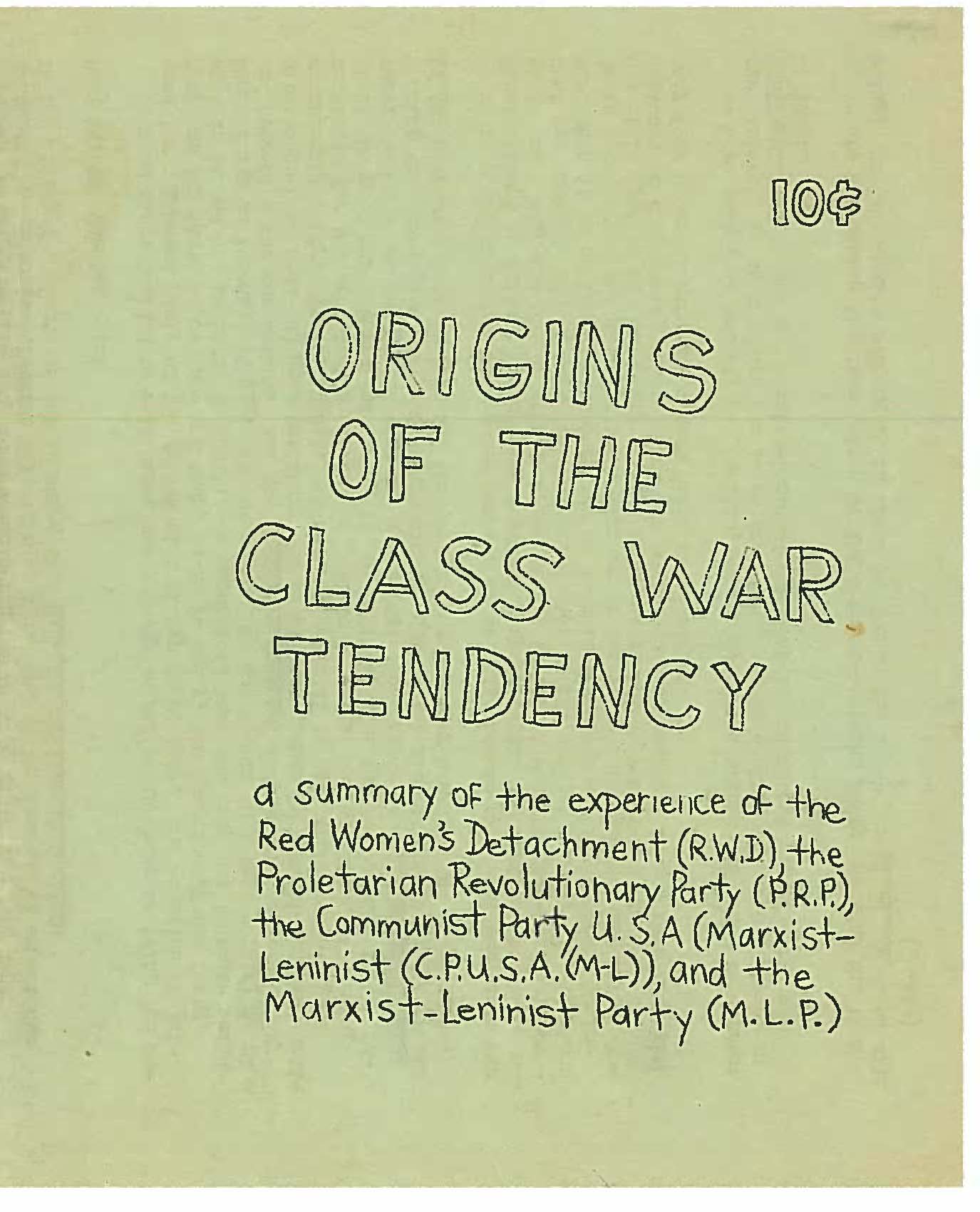
In 1970, as the C.P.U.S.A. (M.-L.) began to collapse, former Proletarian Revolutionary Party members in New York who had joined the C.P.U.S.A. (M.-L.) and other members and supporters on the East Coast regrouped as the Marxist-Leninist Party. Together with its associated organizations, the Red Women’s Detachment and the Red Guards, the Marxist-Leninist Party was active for several years. The Party itself published a paper called Communist, and the Red Women’s Detachment published a paper called Red Star.
At some point, The Communist ceased publication and a new anonymously published paper, Class War appeared. This was clearly a continuation of The Communist as the article ’Struggle Between Two Lines in the Communist Movement’, begun in the former, was contined in the latter. Class War was notable for its Lin Piaoism, as demonstrated by its critique of the Tenth Congress of the Communist Party of China.
This Marxist-Leninist Party should not be confused with the Marxist-Leninist Party created by the Central Organization of U.S. Marxist-Leninists (C.O.U.S.M.L.) in 1980.
Workers and Soldiers Unite [Proletarian Revolutionary Party flyer]
The Red Women’s Detachment: Revolting Rhetoric & Revolutionary Questions from Ain’t I A Woman, Vol. 1, No. 4, August 21, 1970
Letter of Apology from Roxanne Dunbar
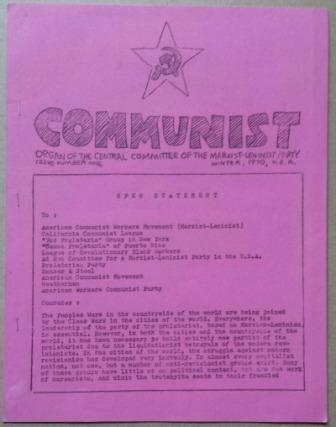
Open Statement of the Marxist-Leninist Party
Draft Program of the Marxist-Leninist Party
Draft Constitution of the Marxist-Leninist Party
Concerning Relations Between the Marxist-Leninist Party and the Various Anti-Revisionist Groups
Discussion of Feminism, “Women’s Liberation,” “Gay Liberation”
Draft Constitution of the Red Women’s Detachment
Monogamy, Prostitution, and the Family
Sex Symbol [leaflet]
May Day, 1971 [leaflet]
Workers Armed Defense Groups [poster]
Womens Armed Defense Groups [poster]
World Crisis and the Class War
Struggle Between Two Lines in the Communist Movement, Part 1, Part 2
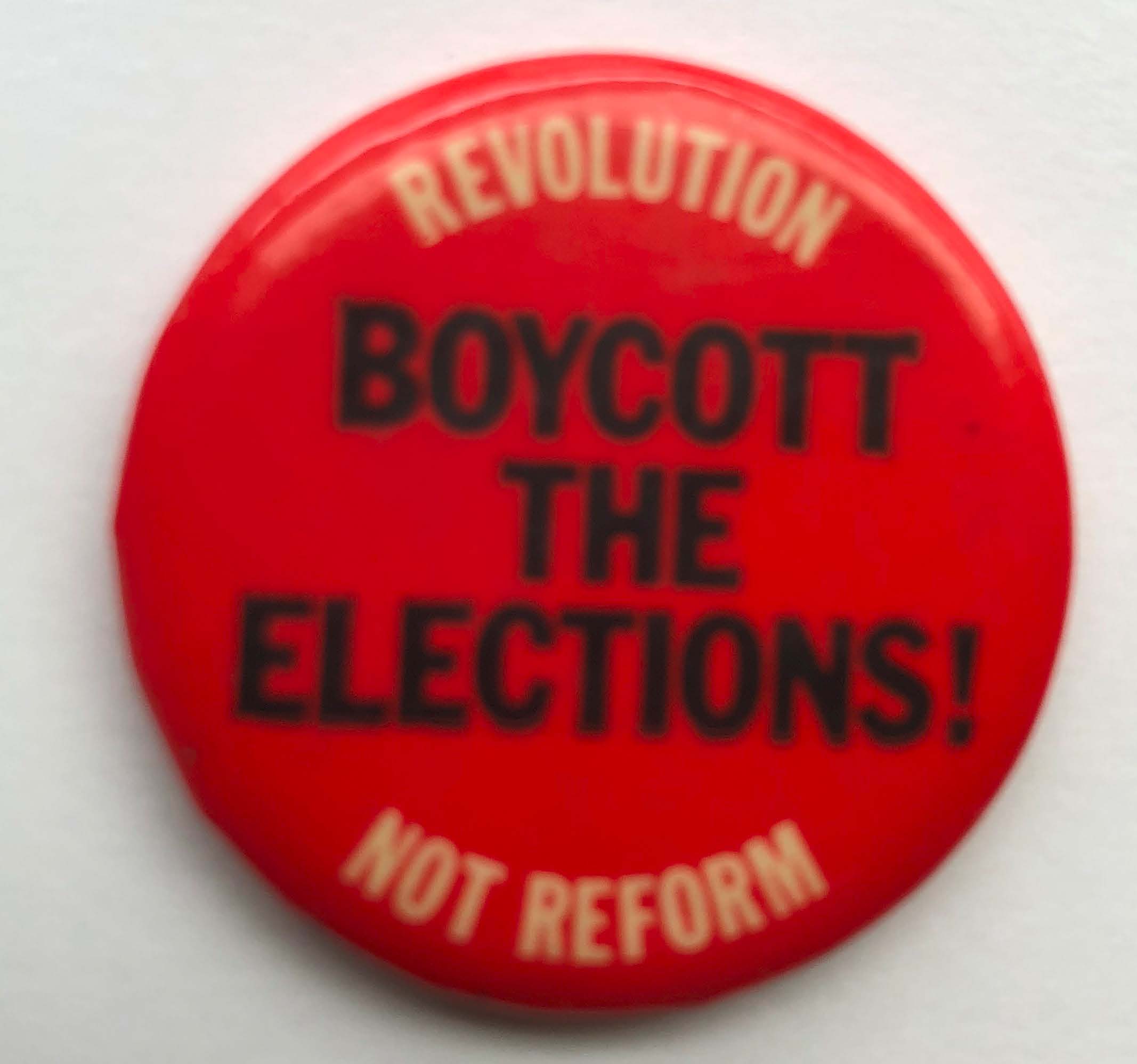
Statement of Class War on the Tenth National Congress of the Communist Party of China
The “Guardian”–25 Years of Populism on Behalf of the C.P.U.S.A.
Defend the Revolutionary Youth Movement!
Communist [paper of the Marxist-Leninist Party]
Red Star [paper of the Red Women’s Detachment]
[Back to top]